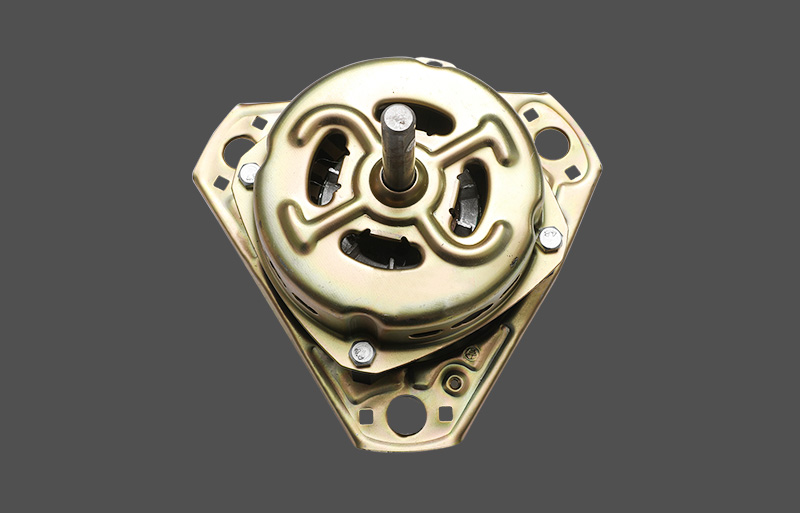
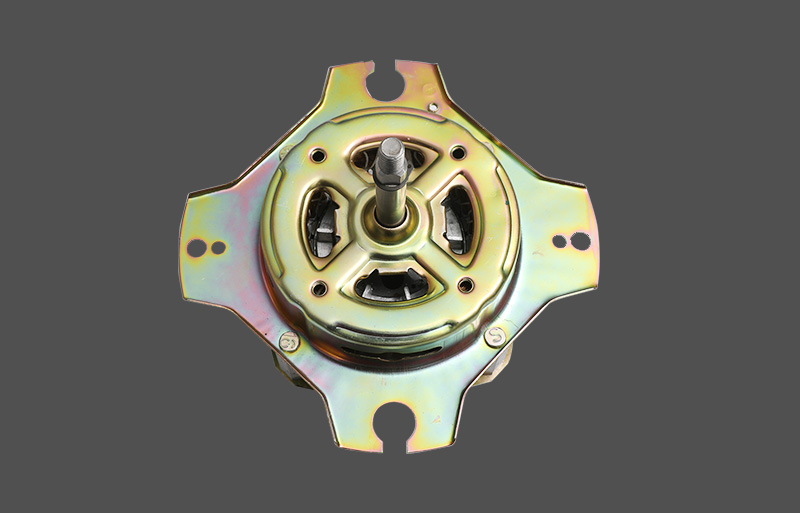
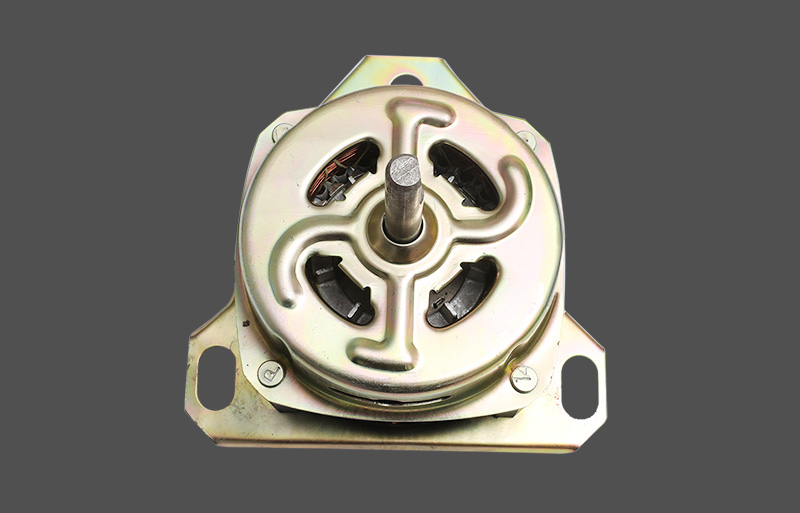
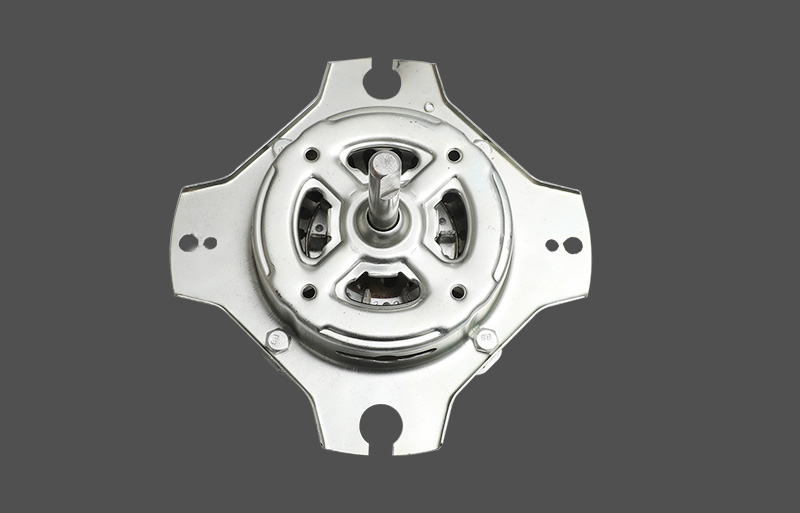
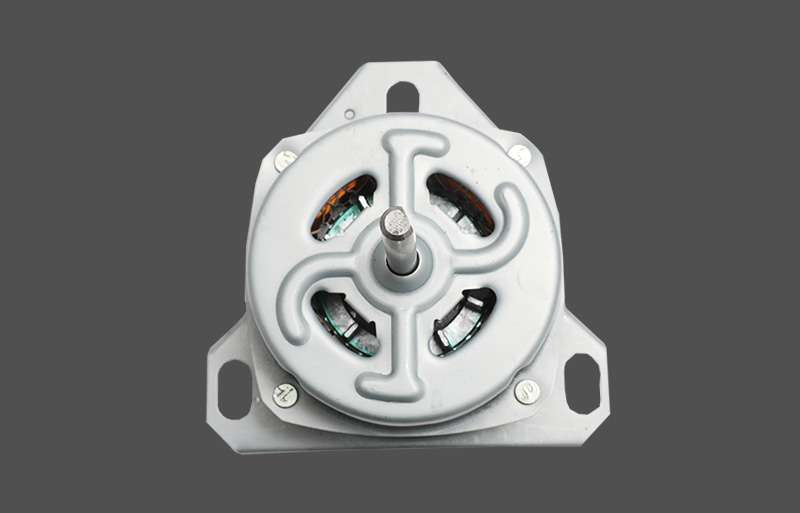
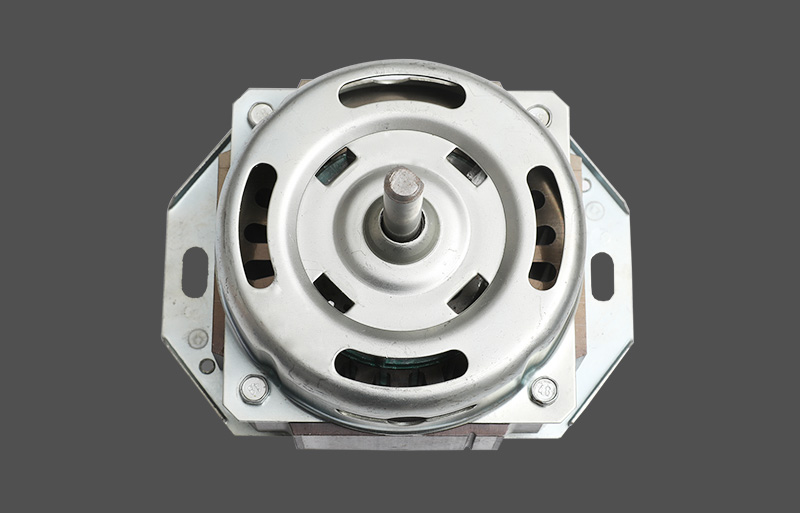
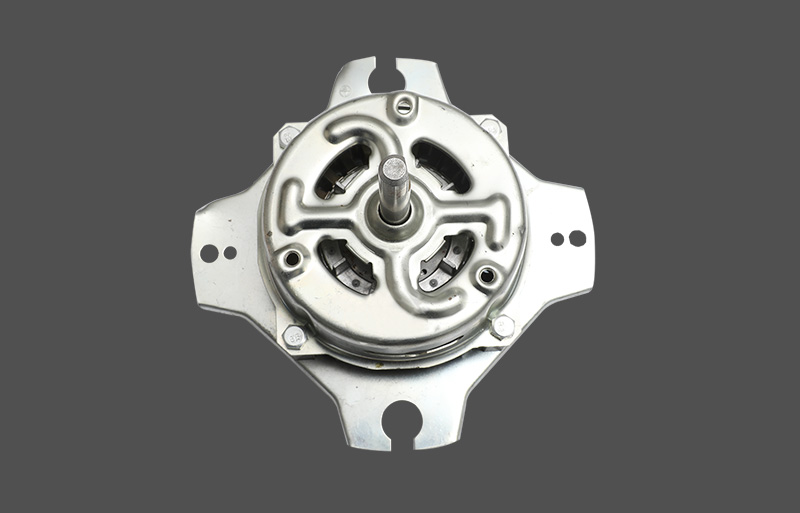
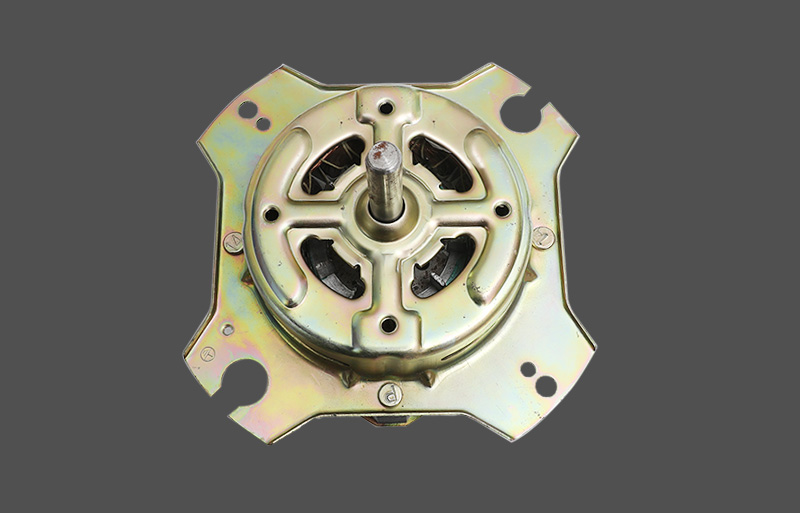
Itu motor kipas berdiri adalah komponen inti dari kipas rumah tangga dan komersial. Selama pengoperasian, mesin mungkin mengalami panas berlebih, yang dapat mempengaruhi masa pakai motor dan keselamatan operasional. Mekanisme perlindungan termal yang dirancang dengan baik sangat penting untuk kinerja dan daya tahan yang stabil. Artikel ini memberikan gambaran profesional tentang prinsip desain, jenis, mekanisme, dan aplikasi perlindungan termal pada motor kipas berdiri.
Pentingnya Perlindungan Termal
Gulungan motor dapat melebihi batas suhu aman selama pengoperasian jangka panjang atau kondisi beban tinggi, menyebabkan penuaan insulasi, kerusakan bantalan, dan bahkan motor terbakar. Panas berlebih juga dapat menimbulkan bahaya kebakaran atau risiko keselamatan kelistrikan. Mekanisme perlindungan termal memantau suhu motor secara real-time dan mengaktifkan tindakan perlindungan bila diperlukan, memastikan pengoperasian yang andal. Pada kipas angin berdiri, perlindungan termal tidak hanya melindungi motor tetapi juga meningkatkan kualitas produk dan pengalaman pengguna.
Jenis Mekanisme Perlindungan Termal
Iturmal protection in standing fan motors is generally categorized into mechanical and electronic types. Mechanical protection often uses bimetallic strips or thermal switches, which disconnect the circuit based on thermal expansion properties. Electronic protection employs temperature sensors or thermistors (NTC/PTC) to measure temperature, with control circuits determining whether to cut power or reduce load. Electronic protection offers faster response and higher accuracy, enabling multi-level temperature control and fault alarm functions. Mechanical protection is cost-effective and simple, commonly applied in low-power household fans.
Prinsip Pemicu Perlindungan Termal
Iturmal protection activation is based on temperature detection and threshold judgment. Mechanical switches use thermal expansion to open contacts and disconnect power. Electronic protection converts temperature readings into voltage or resistance signals, allowing control chips to determine whether the motor exceeds preset temperature thresholds. When excessive heat is detected, the system can immediately cut power, reduce speed, or implement intermittent operation. Designers must consider sensor placement, response time, and hysteresis to avoid false triggers and ensure reliable protection.
Parameter Desain Utama
Parameter utama dalam desain proteksi termal mencakup ambang batas suhu, waktu respons, metode reset, dan lokasi pemasangan. Nilai ambang batas ditentukan berdasarkan daya pengenal motor, kelas insulasi, dan lingkungan pengoperasian, biasanya sekitar 120℃ untuk motor kipas rumah tangga. Waktu respons secara langsung mempengaruhi efisiensi perlindungan; Respon yang lebih cepat mencegah kerusakan motor. Metode reset mencakup reset otomatis dan manual. Reset otomatis sesuai dengan pengoperasian berkelanjutan, sedangkan reset manual meningkatkan keamanan dalam aplikasi berisiko tinggi. Sensor harus ditempatkan di dekat area belitan atau hotspot untuk mencerminkan suhu kritis secara akurat.
Koordinasi dengan Pembuangan Panas
Iturmal protection works best when combined with effective heat dissipation. Proper airflow design, installation of heat sinks, and blade arrangement reduce localized motor temperatures, improving protection accuracy. Good heat dissipation delays temperature rise, reducing frequent protective trips and extending motor lifespan. Thermal simulation can evaluate temperature distribution, ensuring the protection device functions at key hotspots.
Pertimbangan Keandalan dan Umur Panjang
Iturmal protection devices in standing fan motors must exhibit high reliability and long operational life. Mechanical switches should withstand multiple thermal cycles without failure, while electronic sensors require high precision and resistance to electrical interference. Selecting high-quality materials, optimizing contact structures, and implementing moisture and dust protection enhance reliability. A robust thermal protection system prevents motor burnout and accidents during long-term use, ensuring product safety.